Carefully curated authentic food made from natural ingredients. Order exclusively via WhatsApp only. 📞 +91 9820297998
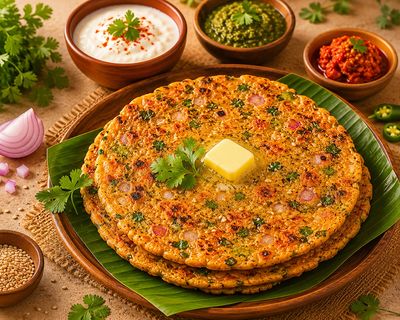
Rajgeera Thalipeeth
Ingredients (serves 2):
1 cup Satwaj stone-ground Rajgeera flour
1 medium potato, boiled and mashed
1 green chilli, finely chopped
1/2 tsp cumin seeds
2 tbsp coriander leaves, chopped
Sendha namak, to taste
Ghee, for cooking
Water, as needed to bind the dough
Notes: Rajgeera flour and sendha namak are perfect for a Shravan Somvar fast specifically. If you're also enjoying a refreshing Mango mint cooler after your meal, or observing a different vrat this month — like Ekadashi or Navratri — be sure to check the approved ingredients for that fast before assuming the same rules apply.
Steps:
1. Mix rajgeera flour with mashed potato, green chilli, cumin, coriander, and sendha namak in a bowl.
2. Gradually add water, kneading gently until it forms a soft, slightly sticky dough — remember, rajgeera dough is different from wheat dough in texture and doesn't require the same handling.
3. Take a small portion of the dough, place it on a greased sheet of parchment or a plastic sheet, and pat it out by hand into a thick, round disc since rajgeera doesn't roll out like regular flour.
4. Heat a tawa, carefully transfer the patted disc onto it, and poke a few small holes across the surface with your finger to allow even cooking.
5. Drizzle ghee around the edges and into the holes. Cook on low-medium heat until the base turns golden, then flip to cook the other side.
6. Serve hot with curd or peanut chutney on the side, and consider pairing it with a delightful Mango Rabri for a sweet finish.

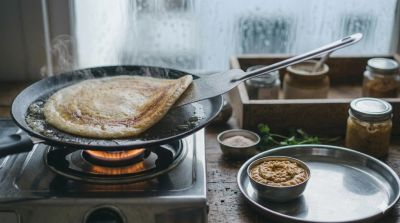
Upwas Bhajani Dosa
Ingredients (serves 2):
1 cup Satwaj stone-ground Rajgeera flour
1 medium potato, boiled and mashed
1 green chilli, finely chopped
1/2 tsp cumin seeds
2 tbsp coriander leaves, chopped
Sendha namak, to taste
Ghee, for cooking
Water, as needed to bind the dough
Notes: Rajgeera flour and sendha namak are perfect for a Shravan Somvar fast specifically. If you're also enjoying a refreshing Mango mint cooler after your meal, or observing a different vrat this month — like Ekadashi or Navratri — be sure to check the approved ingredients for that fast before assuming the same rules apply.
Steps:
1. Mix rajgeera flour with mashed potato, green chilli, cumin, coriander, and sendha namak in a bowl.
2. Gradually add water, kneading gently until it forms a soft, slightly sticky dough — remember, rajgeera dough is different from wheat dough in texture and doesn't require the same handling.
3. Take a small portion of the dough, place it on a greased sheet of parchment or a plastic sheet, and pat it out by hand into a thick, round disc since rajgeera doesn't roll out like regular flour.
4. Heat a tawa, carefully transfer the patted disc onto it, and poke a few small holes across the surface with your finger to allow even cooking.
5. Drizzle ghee around the edges and into the holes. Cook on low-medium heat until the base turns golden, then flip to cook the other side.
6. Serve hot with curd or peanut chutney on the side, and consider pairing it with a delightful Mango Rabri for a sweet finish.
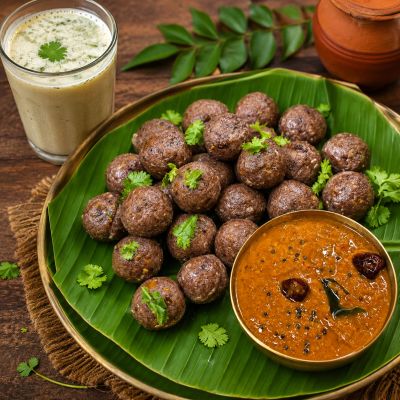
Ragi Uppu Urundai
Ingredients (serves 2):
1 cup Satwaj stone-ground Rajgeera flour
1 medium potato, boiled and mashed
1 green chilli, finely chopped
1/2 tsp cumin seeds
2 tbsp coriander leaves, chopped
Sendha namak, to taste
Ghee, for cooking
Water, as needed to bind the dough
Notes: Rajgeera flour and sendha namak are perfect for a Shravan Somvar fast specifically. If you're also enjoying a refreshing Mango mint cooler after your meal, or observing a different vrat this month — like Ekadashi or Navratri — be sure to check the approved ingredients for that fast before assuming the same rules apply.
Steps:
1. Mix rajgeera flour with mashed potato, green chilli, cumin, coriander, and sendha namak in a bowl.
2. Gradually add water, kneading gently until it forms a soft, slightly sticky dough — remember, rajgeera dough is different from wheat dough in texture and doesn't require the same handling.
3. Take a small portion of the dough, place it on a greased sheet of parchment or a plastic sheet, and pat it out by hand into a thick, round disc since rajgeera doesn't roll out like regular flour.
4. Heat a tawa, carefully transfer the patted disc onto it, and poke a few small holes across the surface with your finger to allow even cooking.
5. Drizzle ghee around the edges and into the holes. Cook on low-medium heat until the base turns golden, then flip to cook the other side.
6. Serve hot with curd or peanut chutney on the side, and consider pairing it with a delightful Mango Rabri for a sweet finish.
Mango Rabri

Ingredients :
Full-fat milk – 500 ml
Sugar – 3 tbsp
Soaked rice – 3 tbsp
Cashews – 7–8
Ghee – 1 tsp
Semolina (rava) – 1 small cup
Mango pulp – ½ cup
Cardamom powder – ¼ tsp
Chopped almonds & pistachios – 2 tbsp
Kesar (saffron) strands – for garnish
Process:
Prepare the Mango Rabri Base:
Drain the soaked rice and blend it with the cashews and a little milk into a smooth paste. This delicious Mango Rabri base pairs wonderfully with a refreshing Mango mint cooler, creating a perfect balance of flavors suitable for summer.
Roast the Semolina:
Heat ghee in a heavy-bottomed pan. Add the semolina and roast on low heat for 2–3 minutes until it becomes aromatic, being careful not to let it brown. Mix in the sugar and mango pulp to create a thick paste for the dough, then let it cool and form small balls from it.
Cook the Rabri:
In a pan, add the milk and stir continuously to avoid lumps, bringing it to a gentle boil. Stir in the rice-cashew and mango pulp paste, cooking on low flame for 10–12 minutes, frequently stirring until the mixture thickens. Add sugar and cardamom powder, cooking for another 3–4 minutes, until the sugar fully dissolves. Remove from heat and let it cool until just warm, stirring occasionally to prevent a film from forming. Incorporate the mango balls into the rabri and let them soak in the warmth.
Refrigerate for at least 1–2 hours. Before serving, garnish with chopped almonds, pistachios, and saffron strands.
Serving Suggestion:
For the best flavor, serve the Mango Rabri chilled. The richness of this creamy dessert, combined with sweet mango pulp, makes it an ideal summer treat—perfect for enjoying alongside freshly made Thalipeeth on a hot day. 🥭✨
Thalipeeth
Ingredients :
Full-fat milk – 500 ml
Sugar – 3 tbsp
Soaked rice – 3 tbsp
Cashews – 7–8
Ghee – 1 tsp
Semolina (rava) – 1 small cup
Mango pulp – ½ cup
Cardamom powder – ¼ tsp
Chopped almonds & pistachios – 2 tbsp
Kesar (saffron) strands – for garnish
Process:
Prepare the Mango Rabri Base:
Drain the soaked rice and blend it with the cashews and a little milk into a smooth paste. This delicious Mango Rabri base pairs wonderfully with a refreshing Mango mint cooler, creating a perfect balance of flavors suitable for summer.
Roast the Semolina:
Heat ghee in a heavy-bottomed pan. Add the semolina and roast on low heat for 2–3 minutes until it becomes aromatic, being careful not to let it brown. Mix in the sugar and mango pulp to create a thick paste for the dough, then let it cool and form small balls from it.
Cook the Rabri:
In a pan, add the milk and stir continuously to avoid lumps, bringing it to a gentle boil. Stir in the rice-cashew and mango pulp paste, cooking on low flame for 10–12 minutes, frequently stirring until the mixture thickens. Add sugar and cardamom powder, cooking for another 3–4 minutes, until the sugar fully dissolves. Remove from heat and let it cool until just warm, stirring occasionally to prevent a film from forming. Incorporate the mango balls into the rabri and let them soak in the warmth.
Refrigerate for at least 1–2 hours. Before serving, garnish with chopped almonds, pistachios, and saffron strands.
Serving Suggestion:
For the best flavor, serve the Mango Rabri chilled. The richness of this creamy dessert, combined with sweet mango pulp, makes it an ideal summer treat—perfect for enjoying alongside freshly made Thalipeeth on a hot day. 🥭✨
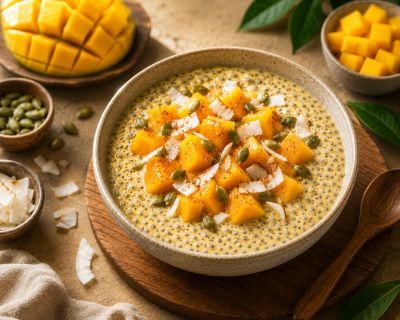
Mango Chia Pudding Bowl 🥭
Ingredients (serves 2):
1 cup Satwaj stone-ground Rajgeera flour
1 medium potato, boiled and mashed
1 green chilli, finely chopped
1/2 tsp cumin seeds
2 tbsp coriander leaves, chopped
Sendha namak, to taste
Ghee, for cooking
Water, as needed to bind the dough
Notes: Rajgeera flour and sendha namak are perfect for a Shravan Somvar fast specifically. If you're also enjoying a refreshing Mango mint cooler after your meal, or observing a different vrat this month — like Ekadashi or Navratri — be sure to check the approved ingredients for that fast before assuming the same rules apply.
Steps:
1. Mix rajgeera flour with mashed potato, green chilli, cumin, coriander, and sendha namak in a bowl.
2. Gradually add water, kneading gently until it forms a soft, slightly sticky dough — remember, rajgeera dough is different from wheat dough in texture and doesn't require the same handling.
3. Take a small portion of the dough, place it on a greased sheet of parchment or a plastic sheet, and pat it out by hand into a thick, round disc since rajgeera doesn't roll out like regular flour.
4. Heat a tawa, carefully transfer the patted disc onto it, and poke a few small holes across the surface with your finger to allow even cooking.
5. Drizzle ghee around the edges and into the holes. Cook on low-medium heat until the base turns golden, then flip to cook the other side.
6. Serve hot with curd or peanut chutney on the side, and consider pairing it with a delightful Mango Rabri for a sweet finish.
🌶️Chatpata Baingan Fry
Ingredients (serves 2):
1 cup Satwaj stone-ground Rajgeera flour
1 medium potato, boiled and mashed
1 green chilli, finely chopped
1/2 tsp cumin seeds
2 tbsp coriander leaves, chopped
Sendha namak, to taste
Ghee, for cooking
Water, as needed to bind the dough
Notes: Rajgeera flour and sendha namak are perfect for a Shravan Somvar fast specifically. If you're also enjoying a refreshing Mango mint cooler after your meal, or observing a different vrat this month — like Ekadashi or Navratri — be sure to check the approved ingredients for that fast before assuming the same rules apply.
Steps:
1. Mix rajgeera flour with mashed potato, green chilli, cumin, coriander, and sendha namak in a bowl.
2. Gradually add water, kneading gently until it forms a soft, slightly sticky dough — remember, rajgeera dough is different from wheat dough in texture and doesn't require the same handling.
3. Take a small portion of the dough, place it on a greased sheet of parchment or a plastic sheet, and pat it out by hand into a thick, round disc since rajgeera doesn't roll out like regular flour.
4. Heat a tawa, carefully transfer the patted disc onto it, and poke a few small holes across the surface with your finger to allow even cooking.
5. Drizzle ghee around the edges and into the holes. Cook on low-medium heat until the base turns golden, then flip to cook the other side.
6. Serve hot with curd or peanut chutney on the side, and consider pairing it with a delightful Mango Rabri for a sweet finish.

Mango Fruity Juice: A Tropical Treat!!
Ingredients (serves 2):
1 cup Satwaj stone-ground Rajgeera flour
1 medium potato, boiled and mashed
1 green chilli, finely chopped
1/2 tsp cumin seeds
2 tbsp coriander leaves, chopped
Sendha namak, to taste
Ghee, for cooking
Water, as needed to bind the dough
Notes: Rajgeera flour and sendha namak are perfect for a Shravan Somvar fast specifically. If you're also enjoying a refreshing Mango mint cooler after your meal, or observing a different vrat this month — like Ekadashi or Navratri — be sure to check the approved ingredients for that fast before assuming the same rules apply.
Steps:
1. Mix rajgeera flour with mashed potato, green chilli, cumin, coriander, and sendha namak in a bowl.
2. Gradually add water, kneading gently until it forms a soft, slightly sticky dough — remember, rajgeera dough is different from wheat dough in texture and doesn't require the same handling.
3. Take a small portion of the dough, place it on a greased sheet of parchment or a plastic sheet, and pat it out by hand into a thick, round disc since rajgeera doesn't roll out like regular flour.
4. Heat a tawa, carefully transfer the patted disc onto it, and poke a few small holes across the surface with your finger to allow even cooking.
5. Drizzle ghee around the edges and into the holes. Cook on low-medium heat until the base turns golden, then flip to cook the other side.
6. Serve hot with curd or peanut chutney on the side, and consider pairing it with a delightful Mango Rabri for a sweet finish.